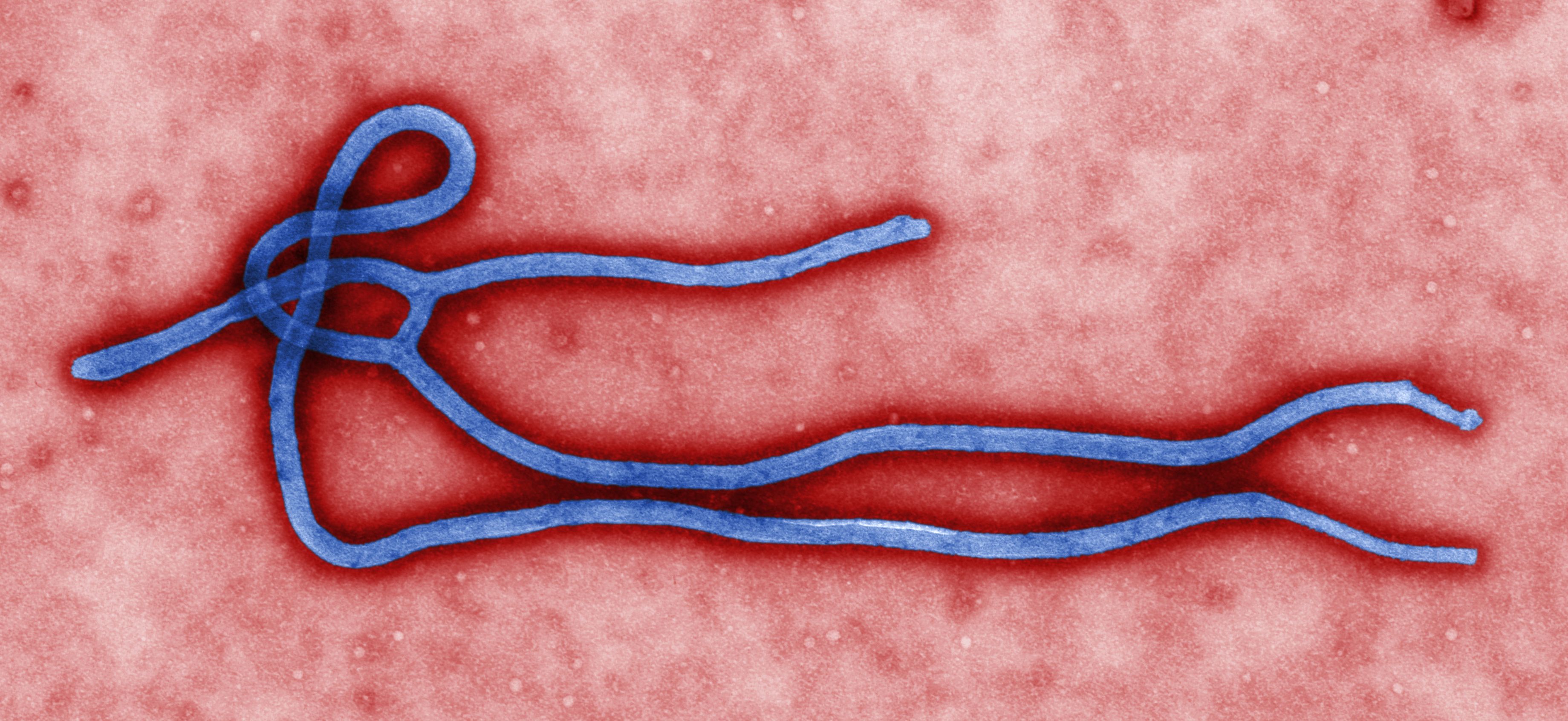
The Ebola outbreak in the Democratic Republic of Congo is spreading at an unprecedented pace, the Africa Centres for Disease Control and Prevention warned, with the country reporting 515 confirmed cases and 91 deaths as of June 7. Some 283 people were hospitalized in isolation, the DRC health ministry said, as authorities revived travel restrictions in an effort to slow transmission.
The outbreak is caused by the Bundibugyo virus, one of four types of orthoebolaviruses that cause Ebola disease in people, identified through genetic fingerprinting. Unlike the more familiar Zaire strain, there is no approved vaccine for Bundibugyo, and treatment is limited to supportive care, complicating the response.
Ituri is by far the most affected province, with 487 confirmed cases reported across 17 health zones. North Kivu has recorded 25 confirmed cases in seven health zones, and three cases have been reported from a single health zone in South Kivu, according to health authorities.
The virus has crossed into neighboring Uganda, which reported 19 confirmed cases including two deaths as of June 6. Of those, five were linked to local transmission events and 14 had travel connections to the DRC, underscoring the cross-border risk that has prompted governments in the region to reconsider their movement policies.
The U.S. Centers for Disease Control and Prevention has issued a stark projection. It estimated that if only 20% of patients are isolated during the current outbreak, there is a 65% chance that case numbers could exceed 20,000 within three months. Under some scenarios, the agency warned, the outbreak could rival the 2014-2016 West Africa epidemic, the worst on record, which caused more than 28,000 cases and about 11,300 deaths.
The resurgence of travel restrictions has reopened a debate among public health officials about their effectiveness. World Health Organization Director-General Tedros Adhanom Ghebreyesus has urged Uganda to reconsider its decision to close its border with the DRC, arguing that "blanket travel restrictions don't work" and can hamper the flow of responders and supplies.
Health authorities have rushed isolation capacity, contact tracing and case management to the affected provinces, but the rugged terrain, insecurity in eastern Congo and limited infrastructure have slowed containment. Aid groups have warned that without a sharp increase in isolation rates, the outbreak could outpace the response.
The mounting toll has placed renewed pressure on the international community to fund and staff the response before the virus spreads further, with officials warning that the window to bring the outbreak under control is narrowing.