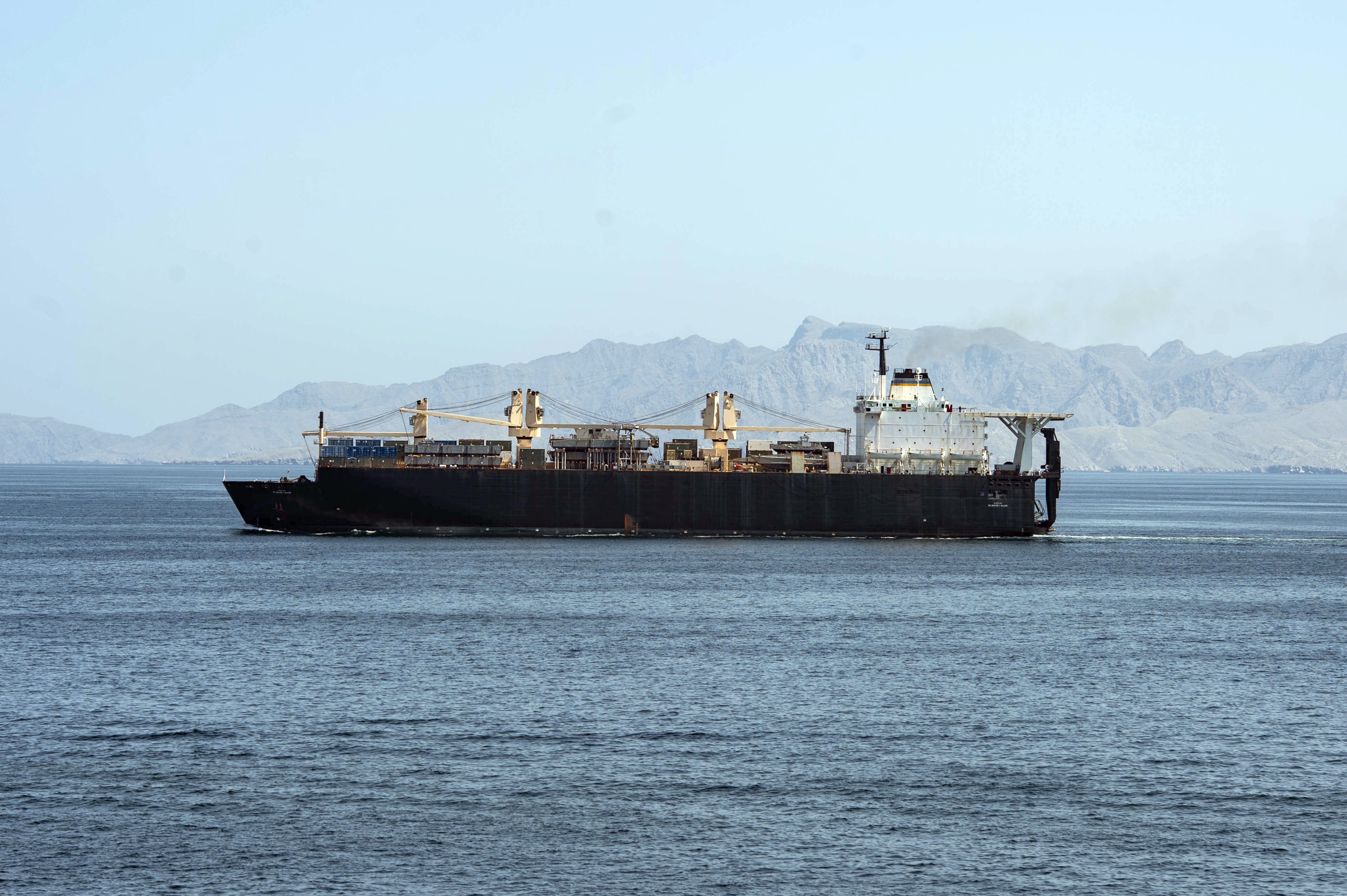
U.S. forces struck Iranian coastal surveillance radar sites in the city of Goruk and on Qeshm Island early Saturday after shooting down four Iranian one-way attack drones that had been launched toward the Strait of Hormuz, U.S. Central Command said. CENTCOM described the drones as posing "an immediate threat to regional maritime traffic" and said the strikes were intended to defend shipping against further attacks.
The exchange marked the latest flare-up in a conflict that has repeatedly tested a ceasefire announced in early April. Hours after the drones were intercepted, Iran fired a salvo of ballistic missiles toward its Gulf neighbors, setting off air-raid sirens in Kuwait and Bahrain. U.S. and regional officials said most of the seven missiles were intercepted and another fell short of its target, with no casualties immediately reported.
Qeshm Island sits just inside the Strait of Hormuz, the narrow waterway through which roughly a fifth of the world's seaborne oil passes. By targeting radar installations there and at Goruk on the mainland coast, U.S. commanders signaled they would act to keep the chokepoint open even as Tehran has threatened to close it. "American forces remain vigilant and postured to respond to unjustified Iranian aggression in self-defense," CENTCOM said in a statement.
The fighting grew out of the air war the United States and Israel launched against Iran on Feb. 28, a campaign that killed Iran's supreme leader and devastated parts of its nuclear and military infrastructure. A truce reached in early April was meant to reopen the strait and pave the way for negotiations, but it has frayed under near-daily incidents at sea and in the air.
Diplomacy remains stalled. Iranian official Mohsen Rezaei said this week that talks were at a "deadlock" and that the onus was on Washington to break it, with Tehran pressing for the release of billions of dollars in frozen assets as a condition for any wider agreement. U.S. envoys have continued shuttle contacts, and President Donald Trump has insisted the strait could reopen quickly if Iran signs a memorandum halting hostilities.
The maritime confrontation is entangled with the war in Lebanon, where Israeli strikes have continued despite a separate ceasefire framework. Iran has linked any de-escalation in the Gulf to an end to operations against its allies, and Hezbollah has rejected a U.S.-brokered truce, leaving multiple fronts in play at once.
For now, Gulf shipping continues under heightened risk, with insurers and tanker operators watching each incident for signs the strait could be disrupted. Each round of strikes and counterstrikes raises the stakes for a region whose energy exports are central to the global economy, and where a single miscalculation could tip a managed standoff into open war.