A sixty-day memorandum of understanding between the United States and Iran that would convert the fragile late-April ceasefire into a structured framework, reopen the Strait of Hormuz and begin a parallel negotiation over Iran's nuclear programme is now waiting on a single signature. President Donald Trump is reviewing what officials describe as the latest version of the text, and Vice-President JD Vance, asked on Friday whether the president would sign, said the two governments were "very close" but "not there yet."
The shape of the deal has been stable for several days, but the closing details have proved stubborn. Vance told reporters the sides were "going back and forth on a couple of language points," singling out "the nuclear stuff, the highly enriched stockpile, and also the question of enrichment." He said he could not say when the president might sign. The careful framing was a notable step back from the more confident readouts that emerged from the Muscat negotiating round earlier in the week.
The most concrete obstacle is not nuclear but maritime. Iran has pressed for the right to levy a transit fee on vessels passing through the Strait of Hormuz, a demand the United States has rejected outright. Trump's position, conveyed through negotiators, is that the strait is an international waterway that must "remain open to all, without any tolls or fees." Tehran has cast the levy as a sovereignty matter; Washington sees it as a precedent it will not concede.
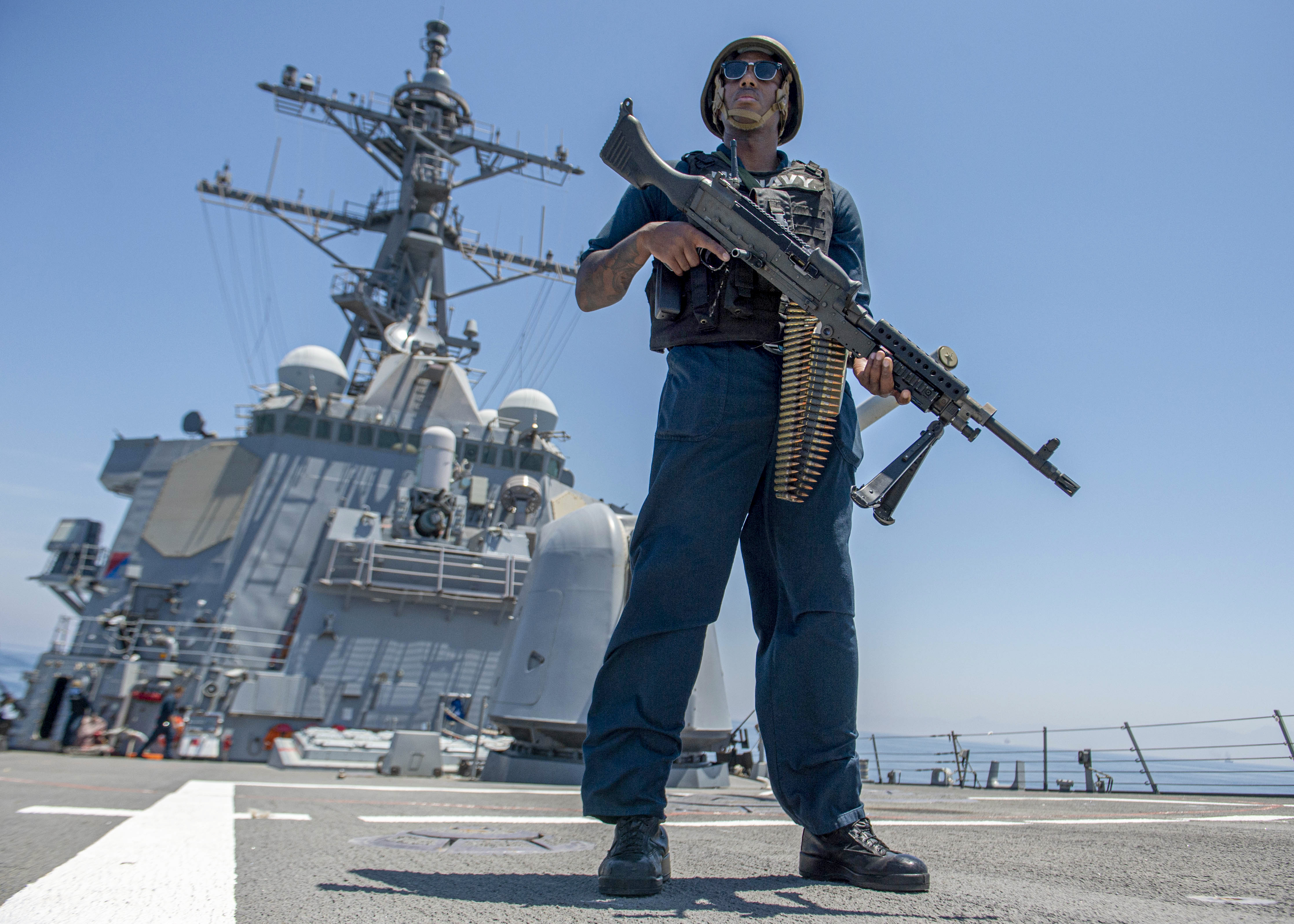
Under the framework as drafted, the strait would reopen immediately on signing. Iran has agreed to restore maritime traffic to pre-war levels and to sustain that for at least thirty days, with the US naval blockade easing in proportion to how much commercial shipping Tehran allows back through. The cessation of hostilities that has largely held since late April would be extended for sixty days while the harder questions are negotiated under a separate track.
On the nuclear file, the memorandum commits both sides to negotiate the disposition of Iran's enriched-uranium stockpile and the future of its enrichment programme, rather than settling either now. The International Atomic Energy Agency placed Iran's holdings of sixty-per-cent-enriched material at roughly 440 kilograms in its most recent quarterly assessment. The text contains an Iranian undertaking not to pursue a nuclear weapon and a US commitment to discuss sanctions relief and the eventual release of some frozen Iranian funds.
Crucially, the document is drafted as a declaration of the end of the war "on all fronts, including Lebanon," folding in a ceasefire with Hezbollah. That ambition sits awkwardly against events on the ground, where Israel has this week pushed armoured units across the Litani River and issued fresh evacuation orders in southern Lebanon. Iranian negotiators have insisted the Lebanon dimension be addressed; US officials have signalled they regard the Israel-Hezbollah track as separable from the bilateral framework.
Markets have spent the week pricing the deal in and out. Crude prices fell again on Friday, with Brent slipping below $93 and West Texas Intermediate toward $87 as traders judged a sustained Hormuz disruption less likely. Equities have held near records. The repricing has been orderly rather than euphoric, reflecting the recognition on trading desks that an unsigned memorandum is not a signed one and that the president's posture has shifted before.
The diplomatic choreography now runs on a tight clock. Omani and Qatari mediators have privately told both delegations that the workable window closes in the first half of June, when Israel is expected to intensify its Lebanon campaign and Iran's parliament returns from recess. Iranian negotiators have said they will consult Supreme Leader Ali Khamenei before any final commitment. For now, the war's most consequential document exists in full but remains unsigned, its fate resting on whether a dispute over shipping tolls can be bridged in the days ahead.