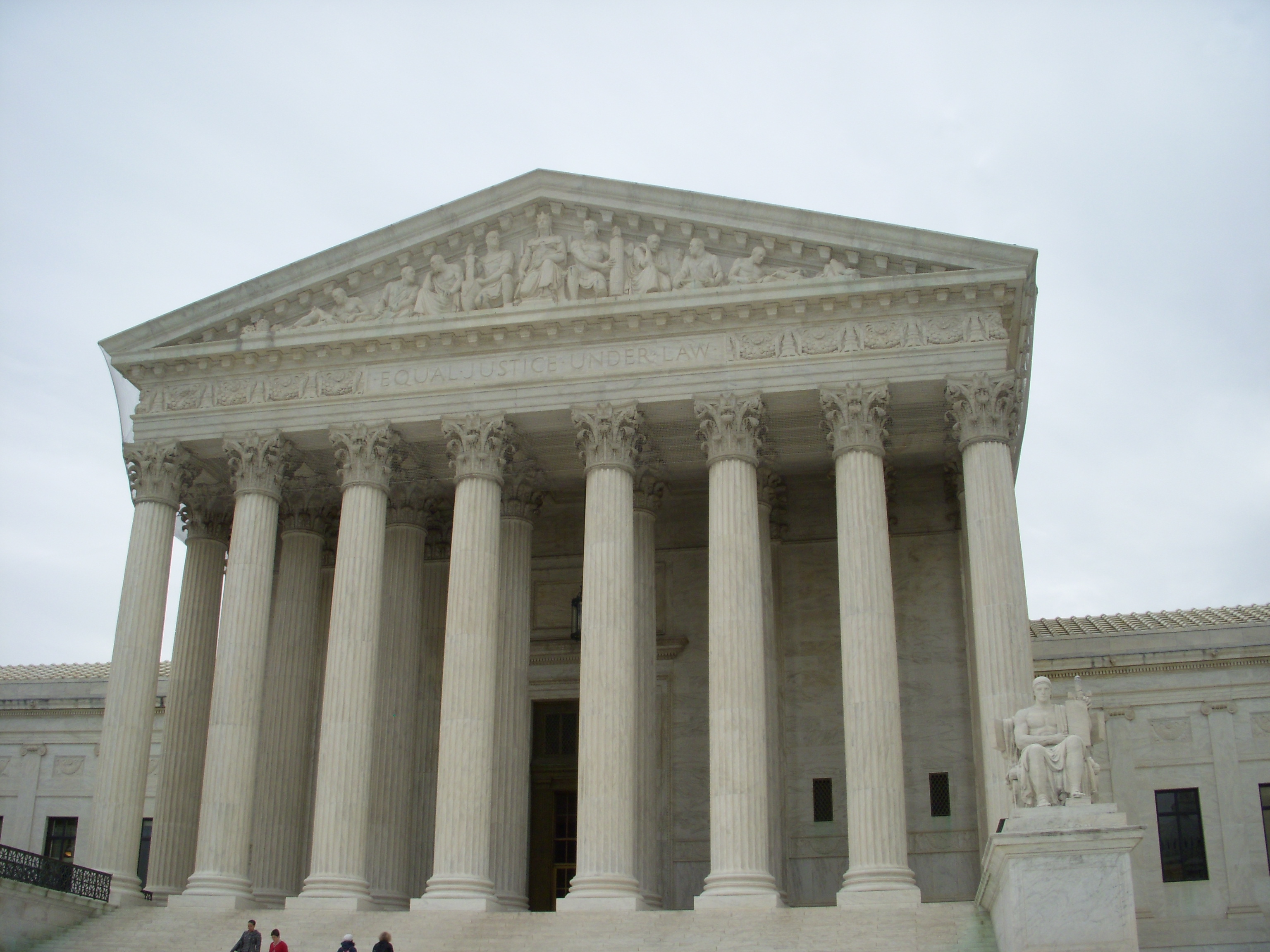
The U.S. Supreme Court ruled on Tuesday that the Constitution guarantees automatic citizenship to nearly every child born on American soil, rejecting President Donald Trump’s attempt to deny it to the children of immigrants in the country illegally or on temporary visas. The vote was 6-3, with Chief Justice John Roberts writing for the majority, and the decision arrived on the final day of the Court’s term.
At issue in Trump v. Barbara was the executive order Trump signed on the first day of his second term, which directed federal agencies to withhold proof of citizenship from babies born in the United States unless at least one parent was a citizen or lawful permanent resident. The order would have stripped the long-assumed status of children born to parents on student, work, or tourist visas, as well as those born to parents without legal status.
The majority held that the order ran afoul of the 14th Amendment, whose Citizenship Clause declares that "all persons born or naturalized in the United States, and subject to the jurisdiction thereof, are citizens of the United States." Adopted in 1868 in the aftermath of the Civil War to guarantee citizenship to formerly enslaved people, the clause has for generations been read to extend to almost anyone born on U.S. territory.
Roberts grounded the opinion in United States v. Wong Kim Ark, the Court’s 1898 decision holding that a man born in San Francisco to Chinese parents was a citizen by birth, notwithstanding his parents’ own ineligibility for naturalization. The administration had argued that the phrase "subject to the jurisdiction thereof" excludes the children of those who entered or remained unlawfully; the majority found that reading at odds with more than a century of practice and the text’s original understanding.
The Court did not splinter along the simple lines its critics expected. Justice Ketanji Brown Jackson wrote a concurrence, joined in part by Justice Sonia Sotomayor. Justice Brett Kavanaugh concurred in the judgment but dissented in part, signaling agreement with the outcome while parting from some of the majority’s reasoning.
In dissent, Justice Clarence Thomas, joined by Justice Neil Gorsuch, argued that the Court had read the jurisdiction requirement too broadly. Gorsuch and Justice Samuel Alito each wrote separately, leaving three justices on record against the result and underscoring that the question, while settled for now, retains a committed minority on the bench.
The ruling caps a term in which the Court repeatedly weighed the limits of presidential power. A day earlier, the justices had handed Trump a partial victory by overturning a 91-year-old precedent to let him remove an FTC commissioner without cause, even as a separate order kept Federal Reserve Governor Lisa Cook in place for the time being. On birthright citizenship, the Court drew a firmer line.
For the roughly 250,000 children born each year in the United States to at least one unauthorized parent—and the unknown number born to temporary-visa holders—the decision removes the threat of a sudden change in legal status that had hung over hospitals, state vital-records offices, and passport agencies since the order was signed. Lower courts had already blocked the policy from taking effect while the litigation proceeded.
The administration has the option of pressing the issue through a constitutional amendment, a far steeper path that requires two-thirds of both chambers of Congress and ratification by three-quarters of the states. As a practical matter, Tuesday’s ruling ends the prospect of altering birthright citizenship by executive action and returns the debate to the political arena where it began.