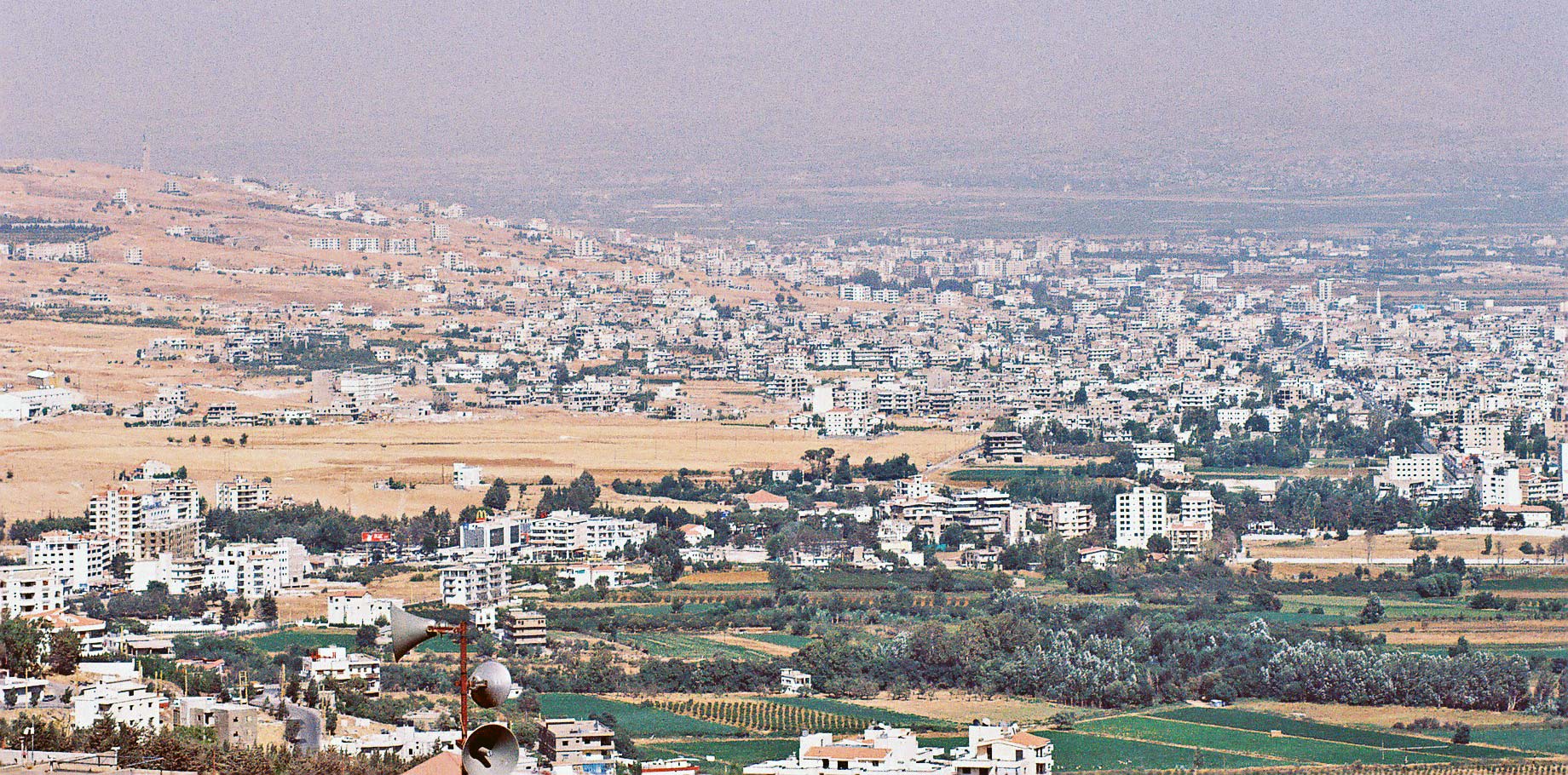
A nominal ceasefire that has held in Lebanon since late April moved closer to collapse this week after an Israeli airstrike on the Beqaa Valley village of Mashghara killed 12 people late Monday, the highest single-incident toll since the Washington-brokered truce came into effect. Lebanon’s state-run National News Agency confirmed the casualty figure on Tuesday and said rescue teams were still searching the rubble of two buildings flattened by the bombing.
Hours before the Mashghara strike, Prime Minister Benjamin Netanyahu told a closed-door cabinet session that he had authorised “intensive” operations to “crush” what his office called Hezbollah’s reconstituted command structure in the Beqaa and south of the Litani River. An Israeli security official confirmed on Tuesday that the military had called up an additional battalion of reservists to reinforce units already deployed inside southern Lebanon.
The Israel Defense Forces said its aircraft struck more than 100 sites overnight, including storage facilities, command centres and observation posts that it said had been used to direct drone and rocket fire into northern Israel in recent weeks. Hezbollah has not formally claimed responsibility for the cross-border attacks but has not denied them either, and Israeli officials say the pace of drone launches has climbed sharply since early May.
The Litani River has functioned as a de facto boundary since the ceasefire took effect, with Israeli troops controlling broad swathes of territory to its south and Lebanese army units nominally responsible for keeping armed groups out. On Tuesday Israeli forces and Hezbollah fighters clashed along the river itself for the first time in weeks, according to the Lebanese army, in what diplomats in Beirut described as the most dangerous flare-up of the post-ceasefire period.
Lebanese caretaker prime minister Najib Mikati condemned the Mashghara strike as “a massacre” and said his government had instructed its UN ambassador to seek an emergency Security Council session. France and Qatar, the truce’s two main co-guarantors alongside the United States, urged “maximum restraint” and said the agreement remained the only credible path to disengagement.
In Washington the State Department offered no public criticism of the strike. Spokesperson Tommy Pigott said the United States “supports Israel’s right to defend itself against attacks originating from Lebanese territory” while urging both sides to return to the ceasefire framework. Privately, two senior US officials told reporters in Doha that the administration was concerned a new Lebanon front would complicate the parallel Iran-Hormuz talks underway in Qatar.
Civilian flights into Beirut’s Rafic Hariri International Airport were briefly suspended on Monday evening before resuming, and several Gulf carriers cancelled Tuesday services after Israeli flares were reported over the coast. Insurance war-risk premiums on shipping calling at Lebanese ports have roughly doubled since the start of May, according to two Beirut-based brokers.
Inside Lebanon the strike has reopened a domestic argument that had quieted since the ceasefire. The Lebanese Forces party and other March 14 figures called again for the army to disarm Hezbollah units operating north of the Litani; Hezbollah’s Secretary-General Naim Qassem said in a televised address that the group would “not stand by” in the face of what he described as Israeli aggression in the Beqaa.
The fighting in Lebanon runs in parallel with a separate flare-up around the Strait of Hormuz, where US forces conducted what they called self-defence strikes on Iranian missile and mine-laying assets early Tuesday. Diplomats involved in both tracks say a collapse of either ceasefire would make it considerably harder to sustain the other, and a senior European envoy warned of a “multi-front unwinding” if no de-escalation is reached this week.
The Mashghara strike is the second mass-casualty incident in the Beqaa in less than a month and the eighth since the post-April truce took effect, according to a tally maintained by the Lebanese Civil Defence. The cumulative toll across both sides of the border has climbed to roughly 240 in that period, the agency said, with displacement inside Lebanon now exceeding 90,000 people for a second time this year.