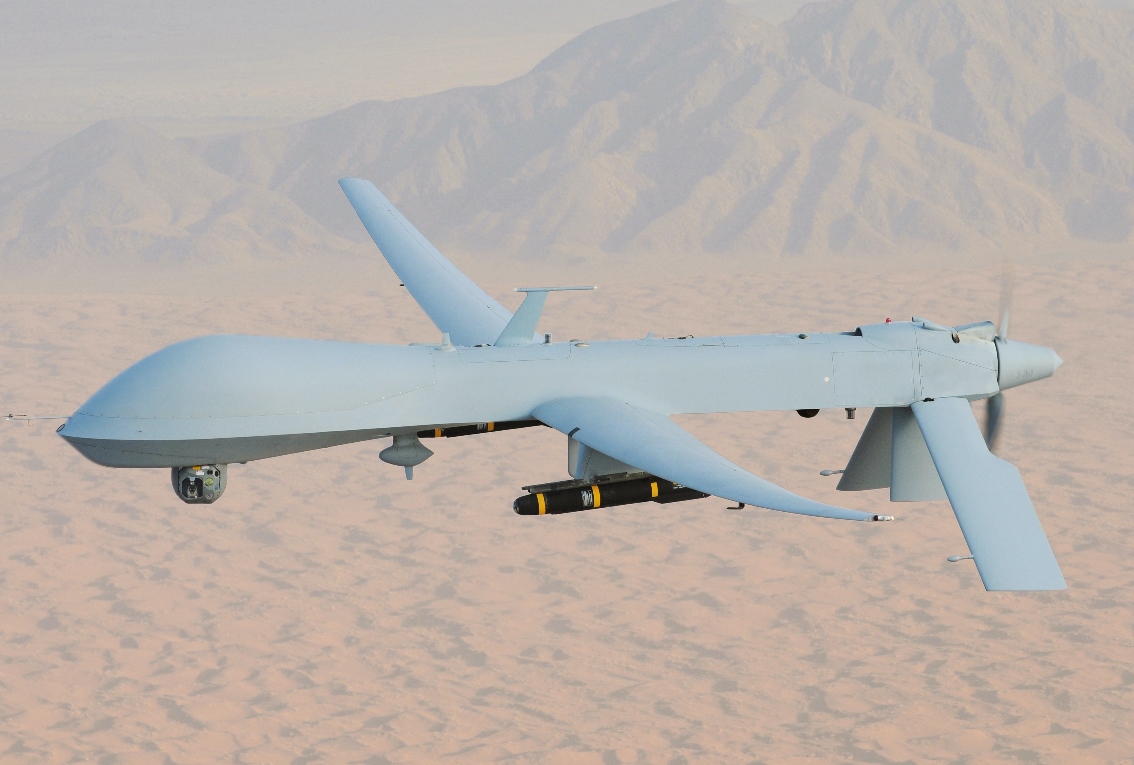
Iran's Islamic Revolution Guards Corps said its air-defence units detected and shot down a US MQ-1 Predator drone over the Persian Gulf in the early hours of Sunday, asserting that the aircraft had encroached on Iranian airspace above the country's territorial waters. In a statement carried by state media, the IRGC said the drone was tracked the moment it crossed the line and destroyed by a surface-to-air missile before it could carry out what the Guards described as an act of aggression.
The Predator is a relatively low-cost, propeller-driven surveillance and strike aircraft, with a production cost generally put in the range of $4m to $5m — a fraction of the price of the larger MQ-9 Reaper. Iran did not immediately publish imagery that independent analysts could verify, and US officials had not, at the time of the Guards' announcement, confirmed the loss of an aircraft or the circumstances the IRGC described.
The incident landed at a delicate moment. Washington and Tehran appear to be nearing an arrangement that would extend the ceasefire that has held, tenuously, between them, and the downing threatened to inject fresh friction into talks that both sides have described as fragile. President Donald Trump said over the weekend that he intended to make a "final determination" soon on whether to approve a 60-day memorandum of understanding to prolong the truce, and indicated he was in no rush to conclude a broader deal.
For Iran, the claimed shoot-down serves a domestic and strategic purpose, demonstrating that its air defences remain active and willing to engage US assets even as diplomats work toward an understanding. The Guards have repeatedly framed surveillance flights near Iranian waters as violations of sovereignty, and the targeting of the Predator fits a pattern of calibrated responses intended to signal resolve without triggering a full escalation.
The United States maintains a heavy presence of intelligence, surveillance and reconnaissance aircraft over and around the Gulf, monitoring shipping lanes and Iranian military activity, and such flights have been a recurring source of confrontation. Drones operating in contested airspace offer Washington the ability to gather information while keeping crews out of harm's way, but they also present Iran with a target it can strike at limited risk of casualties on either side.
How the episode affects the ceasefire negotiations will depend on the response from Washington, which has so far calibrated its actions to keep the diplomatic track open. A muted reaction would suggest both governments are determined to insulate the talks from incidents on the water and in the air; a sharper one would underline how easily a single drone, on a routine patrol, can still threaten to unravel a hard-won pause.