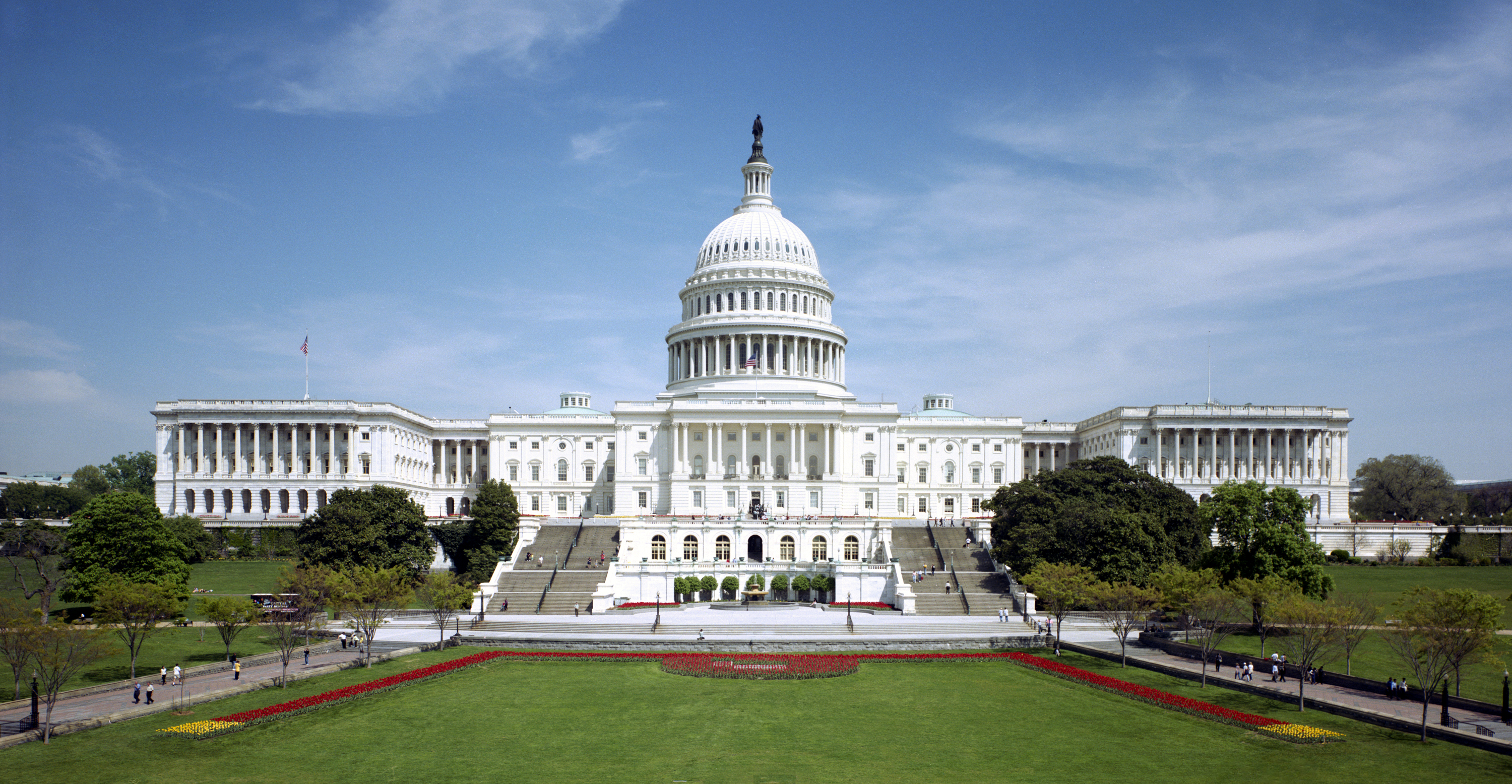
The House on Thursday rejected a short-term extension of Section 702 of the Foreign Intelligence Surveillance Act by a vote of 198-218, putting one of the government's most consequential surveillance authorities on track to expire at the end of Friday.
Section 702 allows US intelligence agencies to collect, without individual warrants, the communications of foreigners located abroad — collection that also sweeps in Americans' communications when they are in contact with foreign targets. Intelligence officials say material derived from the program feeds more than half of the president's daily intelligence briefing and has been credited with disrupting terror plots and cyberattacks.
House Speaker Mike Johnson fast-tracked the stopgap measure, which would have extended the authority only through July 2 while negotiations continued on a longer-term reauthorization. But the vast majority of House Democrats voted no, joined by dozens of conservatives who have long demanded reforms to the program's treatment of Americans' data.
Democratic opposition centered less on the program itself than on who now oversees it. Members of both parties have objected to President Trump's decision to install Bill Pulte, the former housing finance regulator, as acting director of national intelligence, and Democrats said they would not renew the authority while Pulte holds the post.
The standoff leaves the intelligence community facing an unusual cliff. If the authority lapses, existing certifications under the program can continue for a period, but officials have warned that providers' cooperation becomes legally uncertain and new targeting decisions would be constrained the longer a lapse persists.
Section 702 has survived previous near-death experiences, typically winning renewal in last-minute deals after reform demands stalled. Thursday's failed vote leaves little time for another such rescue: the authority expires Friday, and House leaders did not immediately announce a path forward.
The fight unfolds as the US conducts active military operations against Iran, an environment in which intelligence officials argue real-time foreign-communications collection is at its most valuable — and in which lawmakers opposed to the extension argue the stakes of unaccountable oversight are at their highest.