The European Central Bank raised interest rates on Thursday for the first time in three years, becoming the first major central bank to tighten policy in response to the inflation unleashed by the US-Iran war — a decisive pivot that came as US stocks climbed and oil prices swung around $90 a barrel.
The ECB lifted its deposit facility rate by a quarter point to 2.25%, alongside increases in its main refinancing rate to 2.4% and its marginal lending rate to 2.65%. Eurozone inflation reached 3.2% in May, the highest reading since 2023, with core inflation climbing to 2.5% from 2.2% in April as energy costs filtered through the economy.
The bank tightened even as its own forecasters cut growth expectations: the ECB's Survey of Professional Forecasters now puts full-year 2026 eurozone GDP growth at just 0.9%, a downgrade attributed directly to higher energy prices stemming from the war. The Federal Reserve faces the same uncomfortable trade-off when it meets next week, days after US inflation hit a three-year high of 4.2%.
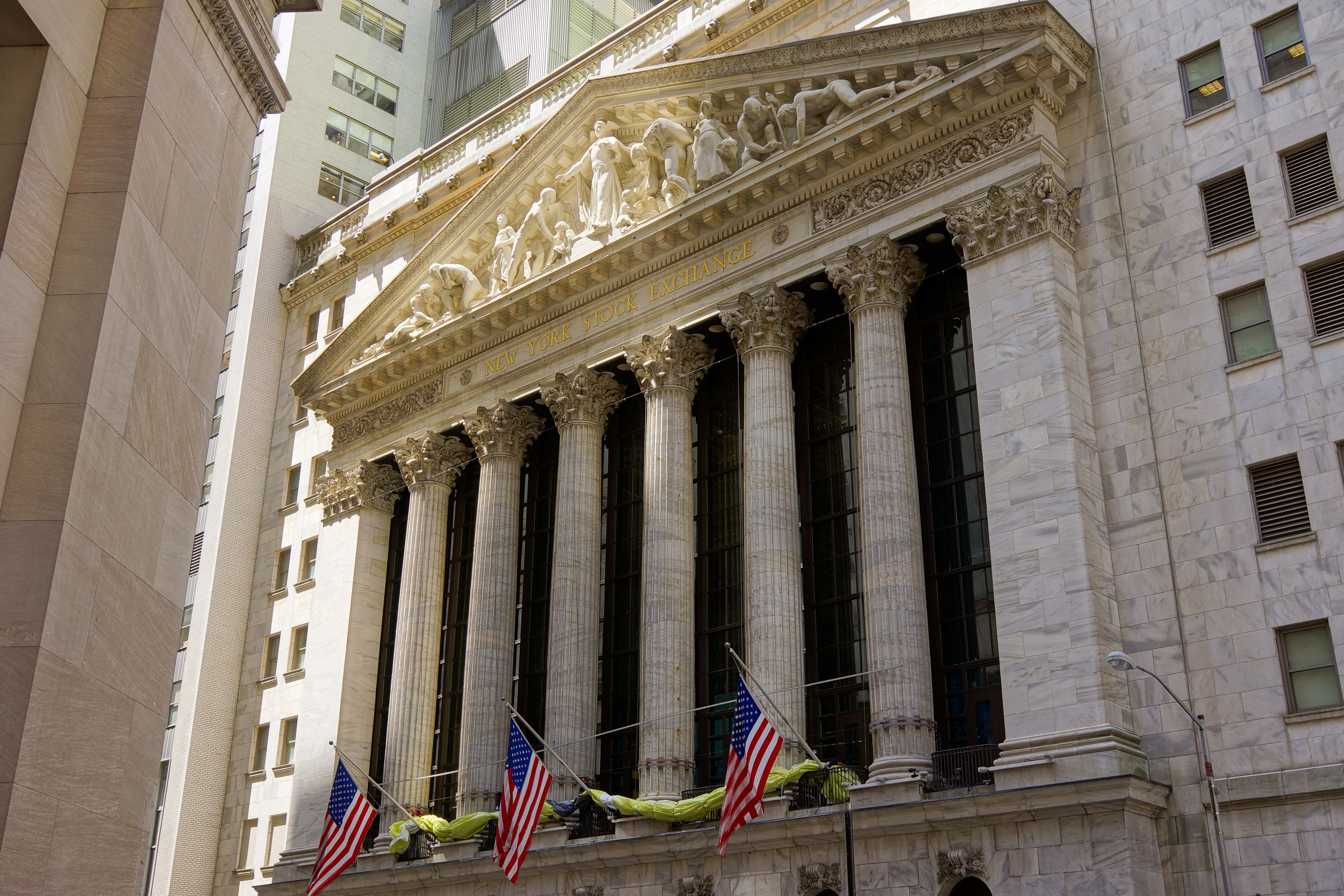
On Wall Street, stocks shook off the overnight escalation between Washington and Tehran. The S&P 500 rose about 0.5% to around 7,300 by midday, with small-caps leading — the Russell 2000 gained more than 1% — and chip stocks rebounding.
Oracle was the session's heaviest drag, falling about 13% after the cloud company paired record quarterly results with plans to raise roughly $40 billion to fund an AI infrastructure build-out that is outrunning its cash flow.
Oil chopped between gains and losses as traders weighed Iran's claim to have closed the Strait of Hormuz against evidence that tankers were still transiting. West Texas Intermediate crude traded near $91 a barrel in the afternoon after dipping toward $89 earlier in the session; Brent hovered below $94. Prices remain well below the spike highs near $108 reached in mid-May.
The other market event of the day was SpaceX pricing the largest IPO in history — $75 billion at $135 a share — with trading to begin Friday, a test of risk appetite that bankers across Wall Street will be watching as closely as any inflation print.
Attention now turns to Friday's Hormuz developments and next week's Fed decision, with futures markets split on whether US policymakers will follow the ECB into inflation-fighting mode or hold fire amid the war's drag on growth.