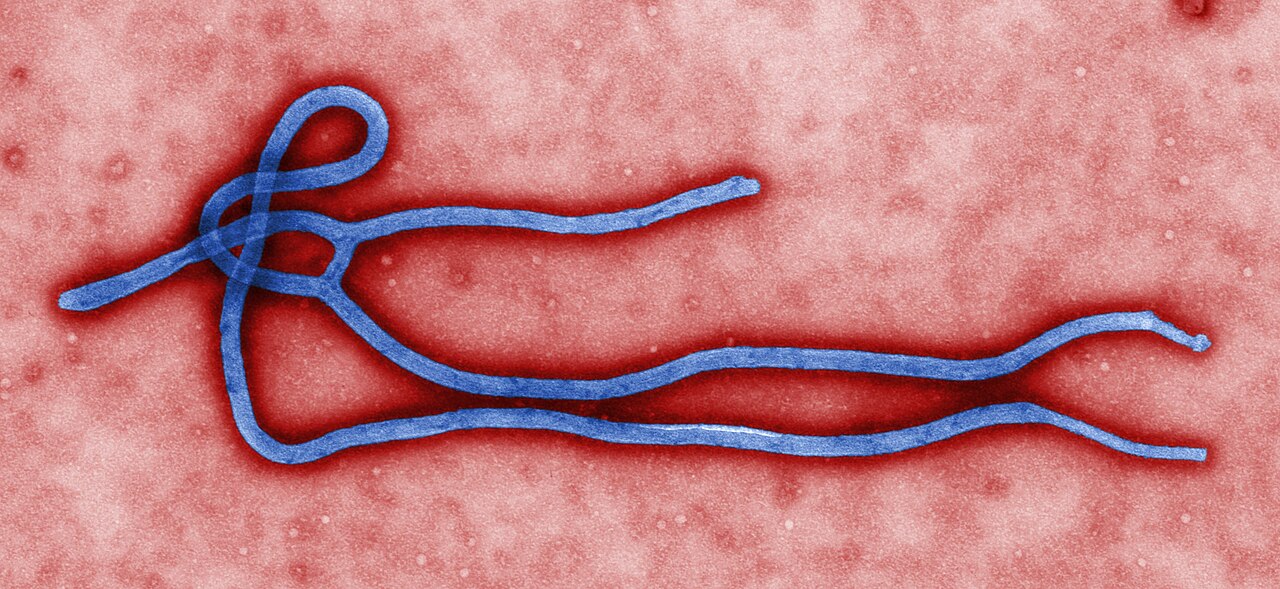
An Ebola outbreak caused by the Bundibugyo virus has surpassed 690 confirmed cases across the Democratic Republic of the Congo and neighbouring Uganda, the World Health Organization said, as health teams struggle to contain a fast-moving epidemic in a region already gripped by conflict and hunger. The outbreak was declared a Public Health Emergency of International Concern in mid-May.
As of mid-June, the WHO reported 695 confirmed cases and 138 deaths, a case-fatality rate of about 20% in the DRC that the agency said is "likely an underestimation." Congolese health authorities, reporting slightly later figures, put the toll higher still, with 782 confirmed cases and 181 deaths as community deaths continued to be recorded.
The epicentre is Ituri province in the country’s northeast, which accounts for the overwhelming majority of cases — more than 90% — spread across more than 20 health zones, with the towns of Bunia, Rwampara and Mongbwalu among the hardest hit. Smaller numbers of cases have been confirmed in North Kivu and South Kivu.
In Uganda, authorities have recorded around 19 cases linked to the outbreak, concentrated in the Kampala and Wakiso districts, including imported cases and secondary transmission among contacts and health workers. The WHO said there was no documented community transmission in Uganda, suggesting cross-border spread had so far been contained to known chains.
"Intense community transmission continues" in the region, the WHO said, with its incident manager, Dr Marie-Roseline Belizaire, warning that deaths still being reported from within communities mean "we are missing cases." Undetected infections complicate efforts to trace contacts and break chains of transmission.
The Bundibugyo virus is one of the less common species of Ebola, and crucially there is no approved vaccine for it — unlike the Zaire species, against which licensed vaccines exist. Clinical trials of candidate therapeutics and a possible preventive treatment are under review, but health workers are for now relying on isolation, contact tracing, safe burials and infection control.
The response is hampered by the broader crisis in eastern DRC, where armed conflict, mass displacement and food insecurity have weakened an already fragile health system. The WHO and partners have warned that insecurity makes it dangerous and difficult for teams to reach affected communities.
International health officials say the coming weeks are critical. With the virus still spreading and surveillance incomplete, the risk of further cross-border transmission in a densely connected part of Central and East Africa remains significant, and the WHO has appealed for funding and personnel to bolster the response.