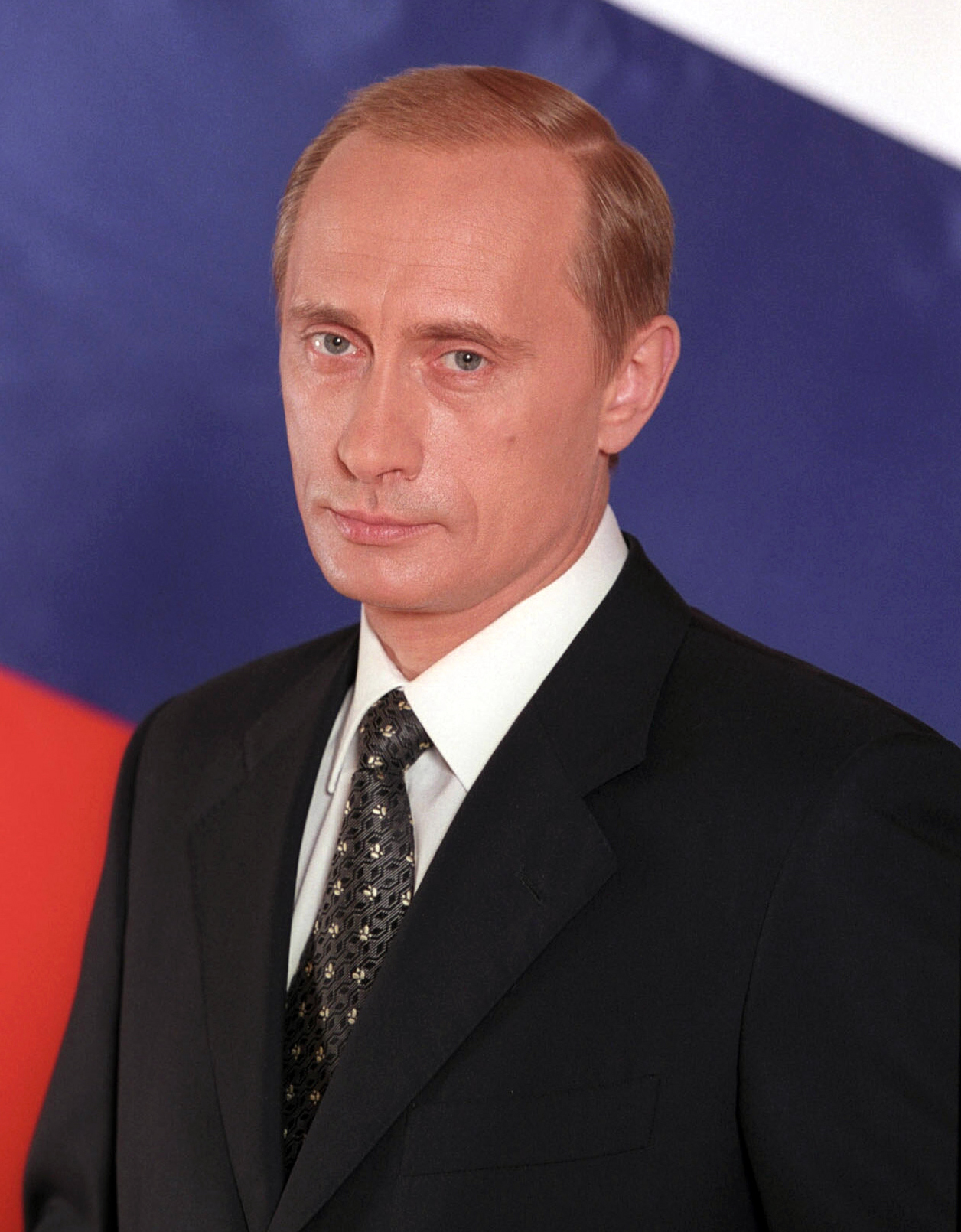
Vladimir Putin used a televised address on Wednesday morning to announce a successful test launch of the RS-28 Sarmat intercontinental ballistic missile, calling it "the most powerful missile in the world" and confirming the system will enter combat service before the end of 2026. The launch, which Russian state media said took place from the Plesetsk cosmodrome in the country's north-west, was the third reported flight test of the Sarmat since the system was first revealed by Putin in 2018.
The Sarmat is a 35-metre, liquid-fuelled, silo-launched intercontinental ballistic missile with a stated range of 18,000 kilometres and a payload capacity that Russian planners say can accommodate ten heavy multiple-independently-targetable-reentry-vehicle warheads or a mix of warheads with hypersonic glide vehicles. Putin claimed in his Wednesday address that the warhead's yield is "more than four times" that of any Western equivalent — a figure outside arms-control specialists called difficult to verify but consistent with the published doctrine of the Russian Strategic Rocket Forces.
Wednesday's announcement landed deliberately on the same day Donald Trump arrived in Beijing for a state visit and on the eve of the formal Trump-Xi summit. Russian state television cut from missile footage to a brief reference to the Beijing trip, framing it as evidence that "the West" is in a posture of accelerated mobilisation. NATO foreign ministers, due to meet in Brussels on Thursday for previously scheduled talks, will now reshape the agenda around the Russian test.
The deployment claim — that Sarmat will be in combat service by year-end — has been made before and missed. The Russian Strategic Rocket Forces originally said the system would be operational by 2020, then by late 2022, then by 2024. Independent analysts at the Federation of American Scientists wrote in a Wednesday note that the third missed deadline does not preclude eventual deployment but "should colour expectations of timeline commitments going forward".
The political function of the announcement, made on the day Trump landed in Beijing, was widely read in Moscow as the latest in a sequence of weapons-test signals timed to peak-attention diplomatic moments. Putin used a comparable approach during the Geneva talks in 2021 and during the Vienna nuclear discussions in late 2024. The Kremlin press service declined to address the timing question directly.
Russia's nuclear doctrine, revised in November 2024, lowered the threshold for first use to include "critical threats to sovereignty" and explicitly named conventional aggression supported by a nuclear power as a triggering condition. The Sarmat is the heaviest weapon in the modernised inventory and is intended as the successor to the older R-36M, NATO-designated SS-18 Satan, which has been in service since the late 1980s.
Ukraine's Foreign Minister Andriy Sybiha called the announcement "predictable theatre" in a statement that also confirmed Ukrainian strikes on gas-processing facilities in Russia's Orenburg region, more than 1,500 kilometres from the front line. President Volodymyr Zelenskyy framed the Orenburg strikes as retaliation for Russian overnight drone attacks on Ukrainian energy infrastructure, an apartment building, a kindergarten and a civilian train across six regions.
The Sarmat news arrived three days after Putin used a Saturday interview to suggest the war in Ukraine is "coming to an end" and to offer talks with Zelenskyy in a third country. Western analysts have read the two signals — a willingness to talk and a successful strategic-weapons test — as a coordinated dual-track posture rather than a contradiction, designed to maximise Russian leverage going into any negotiating phase.