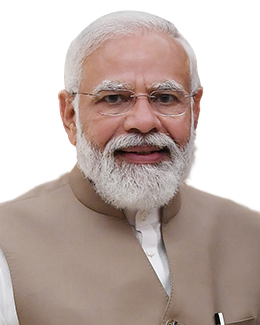
Narendra Modi turned to the country directly on Sunday to ask Indians to curb fuel use, pause gold purchases and reduce overseas travel through the summer, framing the request as a wartime measure in response to oil prices that have stayed above $100 a barrel since early March. The address, delivered from the Prime Minister's residence in Delhi, was the first time he has publicly tied household behaviour to the Iran war.
Behind the speech, officials in the finance ministry and Reserve Bank of India are drafting a package of emergency steps to defend foreign-exchange reserves that have fallen by roughly $42 billion since February. Bloomberg, citing people familiar with the discussions, reported on Monday that the measures under consideration include selective import curbs on gold bullion and high-end consumer electronics, a temporary increase in retail fuel prices and a revival of dollar-rupee swap auctions.
The rupee, which set successive record lows last week, traded 0.4 per cent weaker against the dollar in early Monday session before steadying at 91.4. The Sensex closed marginally lower, with refiners and gold-jewellery groups sharply down. India imports more than 85 per cent of its crude and is the world's second-largest gold consumer; both habits are uniquely exposed to the Gulf shock.
Retail inflation, last reported at 3.4 per cent for March, is expected to climb above 5 per cent in the May print due Tuesday — within the upper band of the Reserve Bank's tolerance, but a marked acceleration. Food and fuel together accounted for the bulk of the March increase. The next monetary-policy committee meeting is scheduled for June 4–6.
Indian and Omani officials separately met in Delhi on Monday for talks on accelerating the bilateral free-trade agreement signed last December. The Modi government has pitched the Oman FTA as part of a broader Gulf-pivot strategy and is hoping to bring the deal into effect ahead of the originally scheduled January 2027 start.
Opposition leaders have called the address tone-deaf. Congress's Rahul Gandhi told reporters in Bengaluru that "the prime minister cannot keep asking citizens to tighten belts while his cabinet refuses to release any plan". The All India Trade Union Congress has called for protests later this week, citing rising fuel and food prices.
For India's strategic posture, the war has narrowed an already narrow set of options. New Delhi has maintained diplomatic ties with Tehran throughout the conflict and continues to operate the Chabahar port project, but has also paused Iranian oil purchases to stay clear of US secondary sanctions. Imports from Russia, Saudi Arabia and the UAE have replaced part of the lost Iranian volumes at substantially higher prices.
Modi has scheduled a meeting with state chief ministers on Wednesday to coordinate the response, his office said. Officials briefed on the agenda say the focus will be on agricultural support, transport-fuel subsidies and ensuring the kharif sowing season — beginning next month — proceeds without disruption.